Choosing the Perfect Yoga Mat for Comfort, Stability, and Performance
Dec 29, 2025
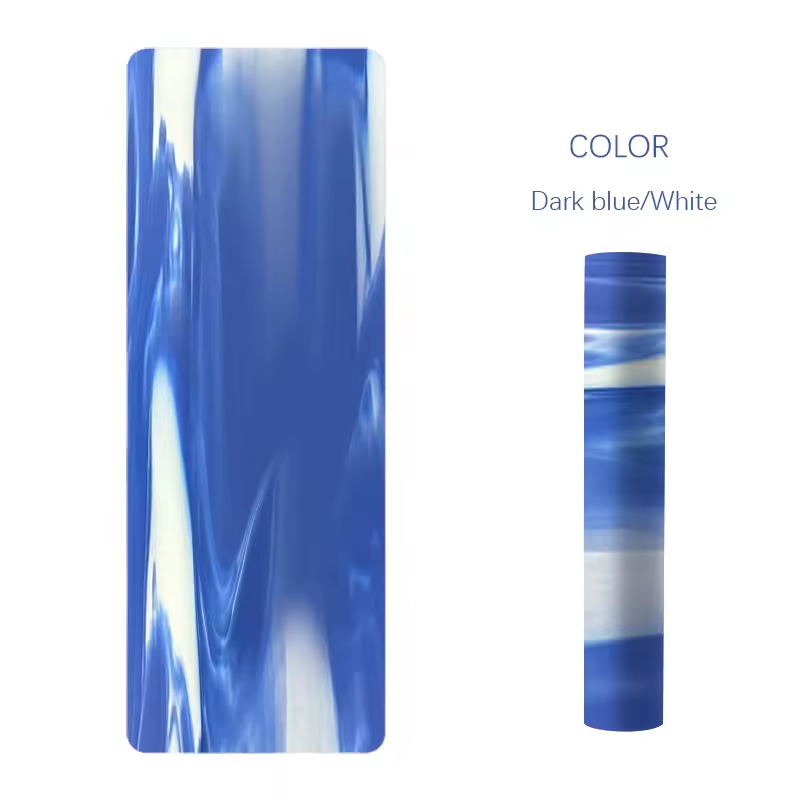
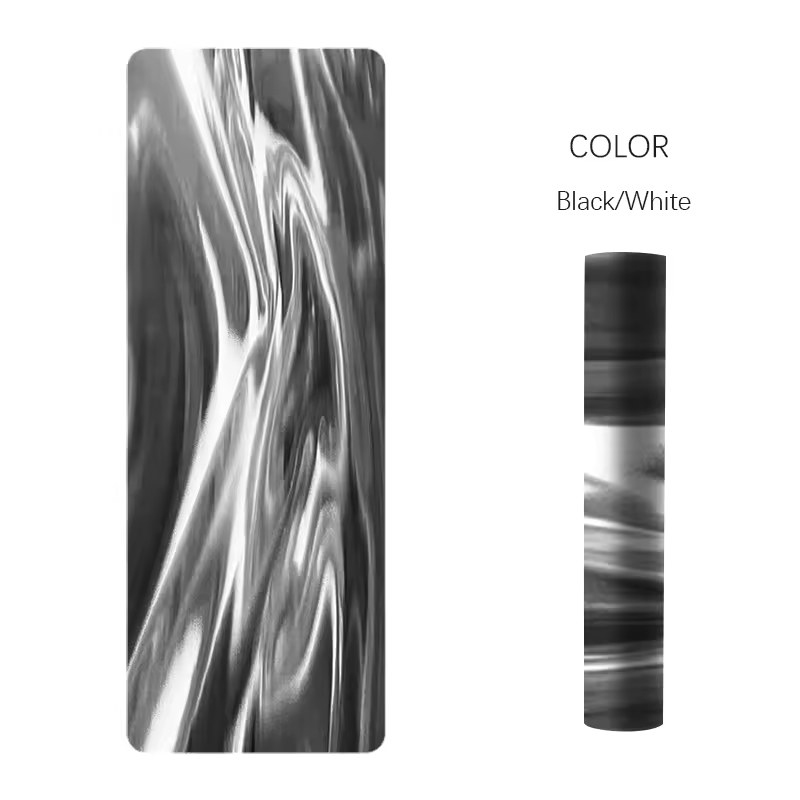
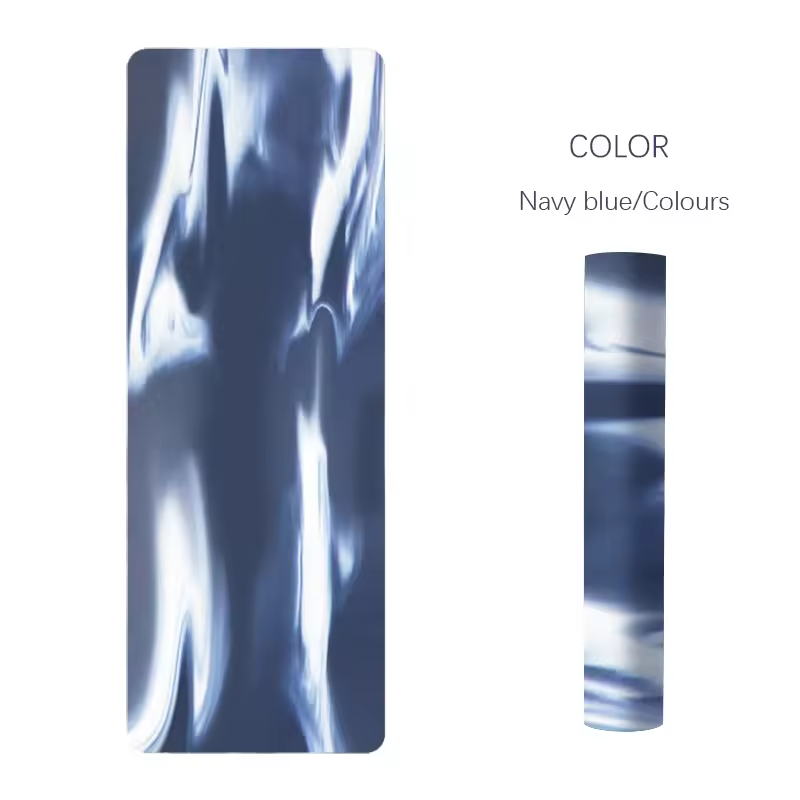
A yoga mat is more than just an accessory—it is the foundation of every yoga practice. Whether you are practicing at home, in a yoga studio, or at the gym, the right yoga mat can significantly improve comfort, stability, and overall performance.
One of the most important factors when selecting a yoga mat is the material. Common options include natural rubber, PU rubber, cork, and TPE. Natural rubber mats offer excellent grip and durability, making them popular among professional yogis. PU rubber mats combine a smooth, skin-friendly surface with strong anti-slip performance, which is ideal for dynamic or hot yoga sessions. Cork yoga mats, known for their sustainability, become even more slip-resistant when exposed to moisture, making them a preferred choice for eco-conscious users.
Thickness is another key consideration. Thinner mats provide better ground connection and balance, while thicker mats offer extra cushioning to protect joints such as knees and wrists. Practitioners should choose a thickness that matches their body needs and practice style.
Grip and stability directly affect safety. A non-slip surface helps maintain proper alignment and prevents unwanted movement during poses. This is especially important for advanced poses or high-intensity workouts where stability is essential.
Finally, maintenance and hygiene should not be overlooked. A high-quality yoga mat should be easy to clean and resistant to odors. Proper care, such as regular wiping and correct storage, will extend the life of the mat and keep it fresh for daily use.
In conclusion, investing in the right yoga mat enhances not only comfort but also confidence and consistency in your yoga journey. By choosing the correct material, thickness, and grip level, practitioners can create a safer and more enjoyable practice experience.